Last news about IDEKO.
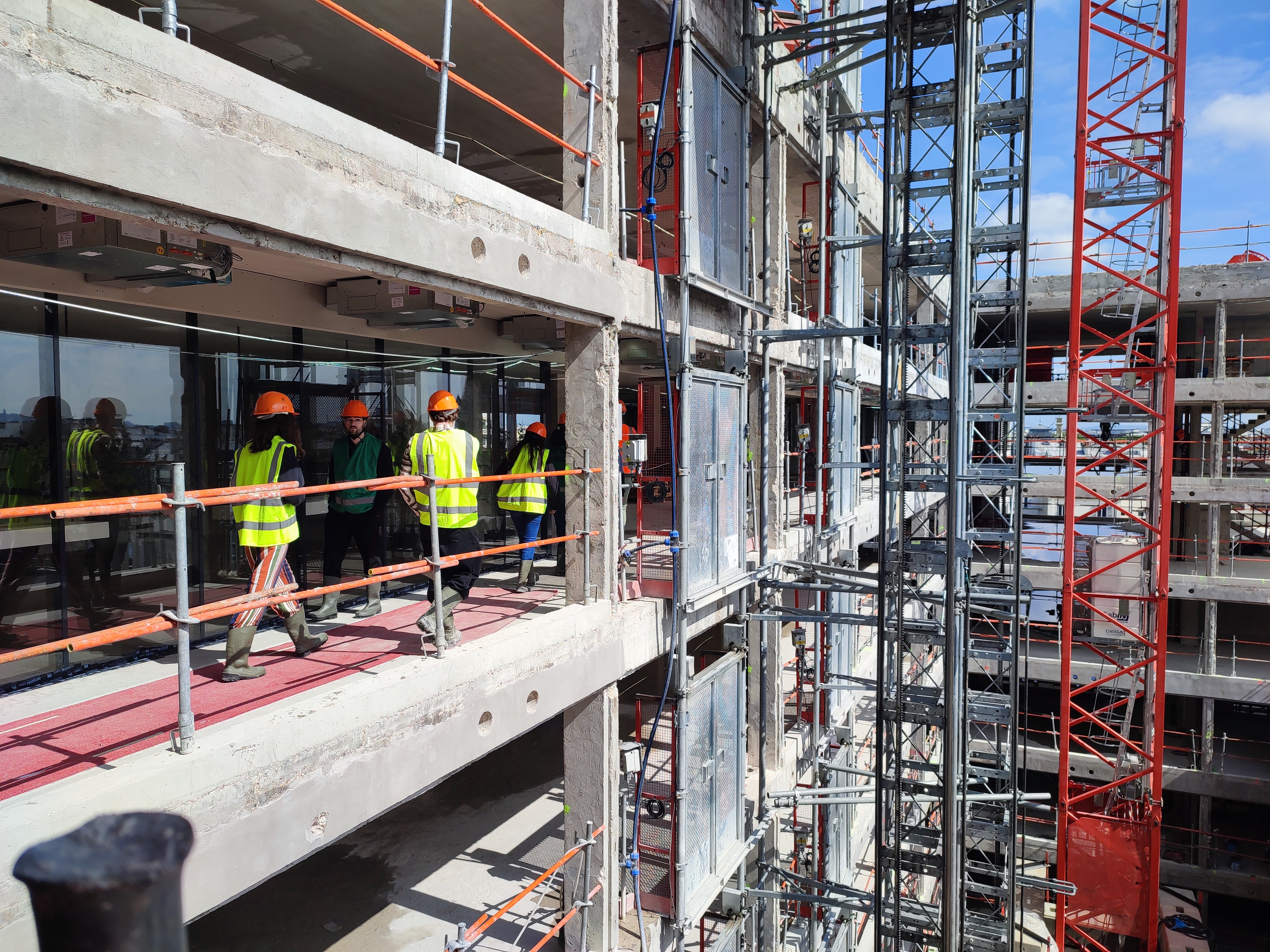
- IDEKO is coordinating the development of innovative robotic systems to improve thermal insulation and safety in construction as part of the European Shieldbot project.
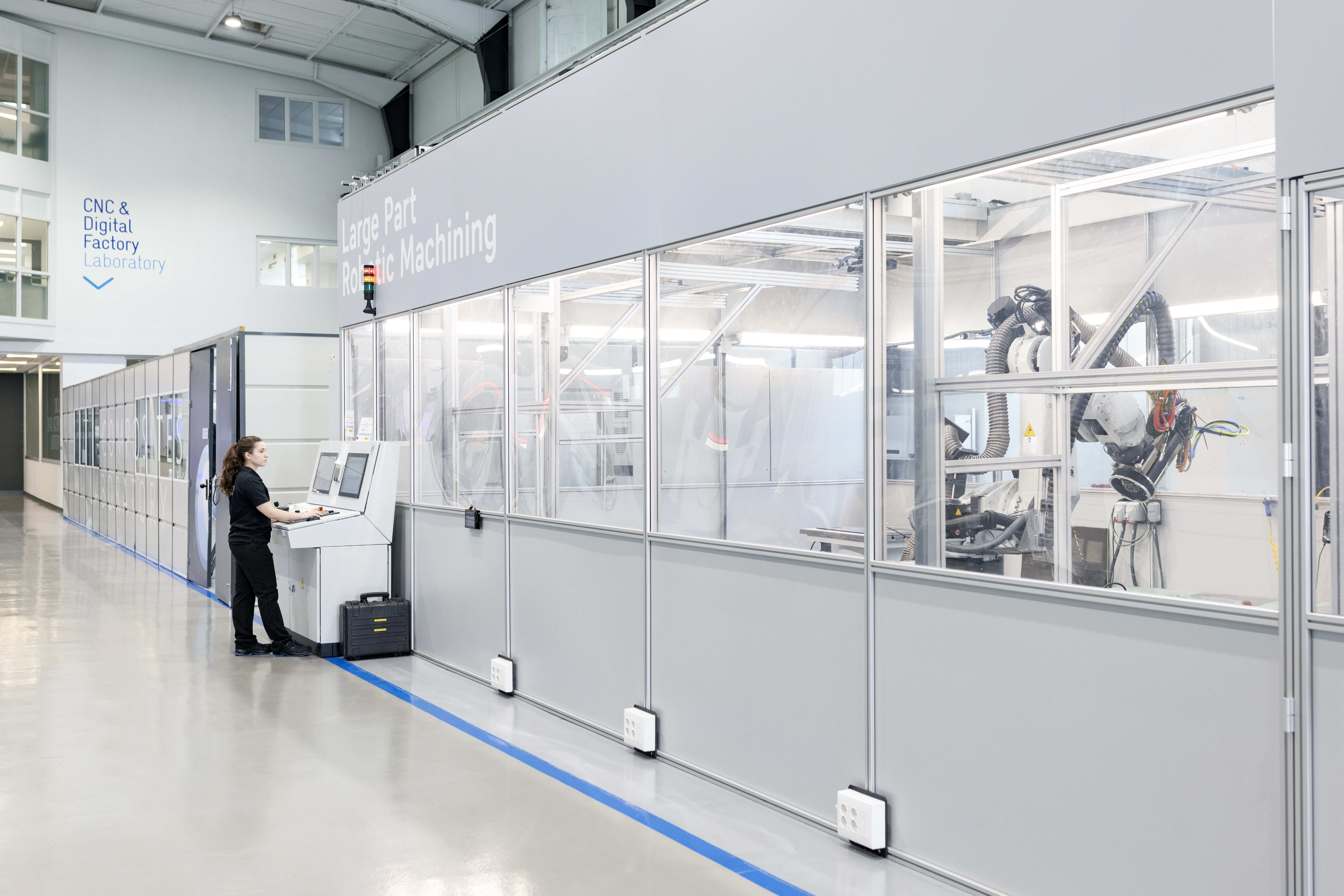
- The technology centre is bringing its expertise in mechatronics and dynamic control to enhance the precision and adaptability of robots operating on construction sites.
- Funded by the European Union’s Horizon Europe programme, the project brings together eleven organisations from six countries.
Buildings and construction account for 34% of global energy consumption and 37% of direct and indirect carbon dioxide emissions. With the European Union (EU) aiming to renovate 35 million buildings by 2030, the sector faces significant challenges, including a shortage of skilled workers, high costs and a continued reliance on manual, often hazardous operations.

Against this backdrop, IDEKO, a technology centre specialising in advanced manufacturing and industrial production R&D, is leading and coordinating the European Shieldbot project. The initiative aims to transform building renovation and maintenance by combining advanced robotics, artificial intelligence and sustainable materials.
Funded by the EU’s Horizon Europe programme under the Climate, Energy and Mobility cluster, the project seeks to accelerate energy-efficient building renovation and significantly reduce emissions from the sector. To achieve this, the consortium will develop and validate automated solutions capable of performing complex insulation, inspection and assembly tasks, both inside buildings and on external façades.
As the consortium’s scientific and technical coordinator, IDEKO is leading the project and bringing its expertise in mechatronics, machine dynamics, vibration control and advanced sensing technologies to the construction sector.
“Our contribution will focus on equipping robotic systems with the stability, precision and adaptability they need to operate safely and effectively in the changing, geometrically complex and unstructured environments typically found on construction sites,” explains IDEKO’s researcher Iker Mancisidor.
IDEKO’s research will enable robots to interact intelligently with their surroundings and adapt their behaviour while installing insulation panels and repairing building envelopes. This will help reduce physical strain on workers and minimise the risk of workplace accidents.
Testing and validating robotic solutions in real-world environments
Over the next three years, Shieldbot will validate three complementary robotic platforms in real-world demonstrators: flexible robotic systems for indoor assembly tasks; solutions combining drones and climbing robots for façade inspection; and cable-driven parallel robots designed to install external insulation without the need for conventional scaffolding.
These operations will be managed using digital twins and Building Information Modelling (BIM) models, optimised through artificial intelligence algorithms.
The research will also explore the use of bio-based insulation and recycled materials to reduce construction waste and support more circular approaches to building renovation.
Alongside IDEKO, the consortium brings together ten other organisations from six countries, including research centres, universities and industrial partners: DFKI and RPTU (Germany), the University of Nottingham (United Kingdom), Université de Nantes and CNRS (France), Robotnik (Spain), Bouygues Construction and NEO-ECO (France and Ukraine), and AUSTRALO (Estonia).
Through this initiative, IDEKO is strengthening its position as a coordinator of major European R&D projects, driving the transfer of high-value technologies to industry and reinforcing its commitment to the energy transition and industrial digital transformation.





.jpg)